Space policy
Governance beyond Earth, commercial systems as strategic infrastructure, and the international rules shaping access, legitimacy, and cooperation.
Space policy Technology policy National security
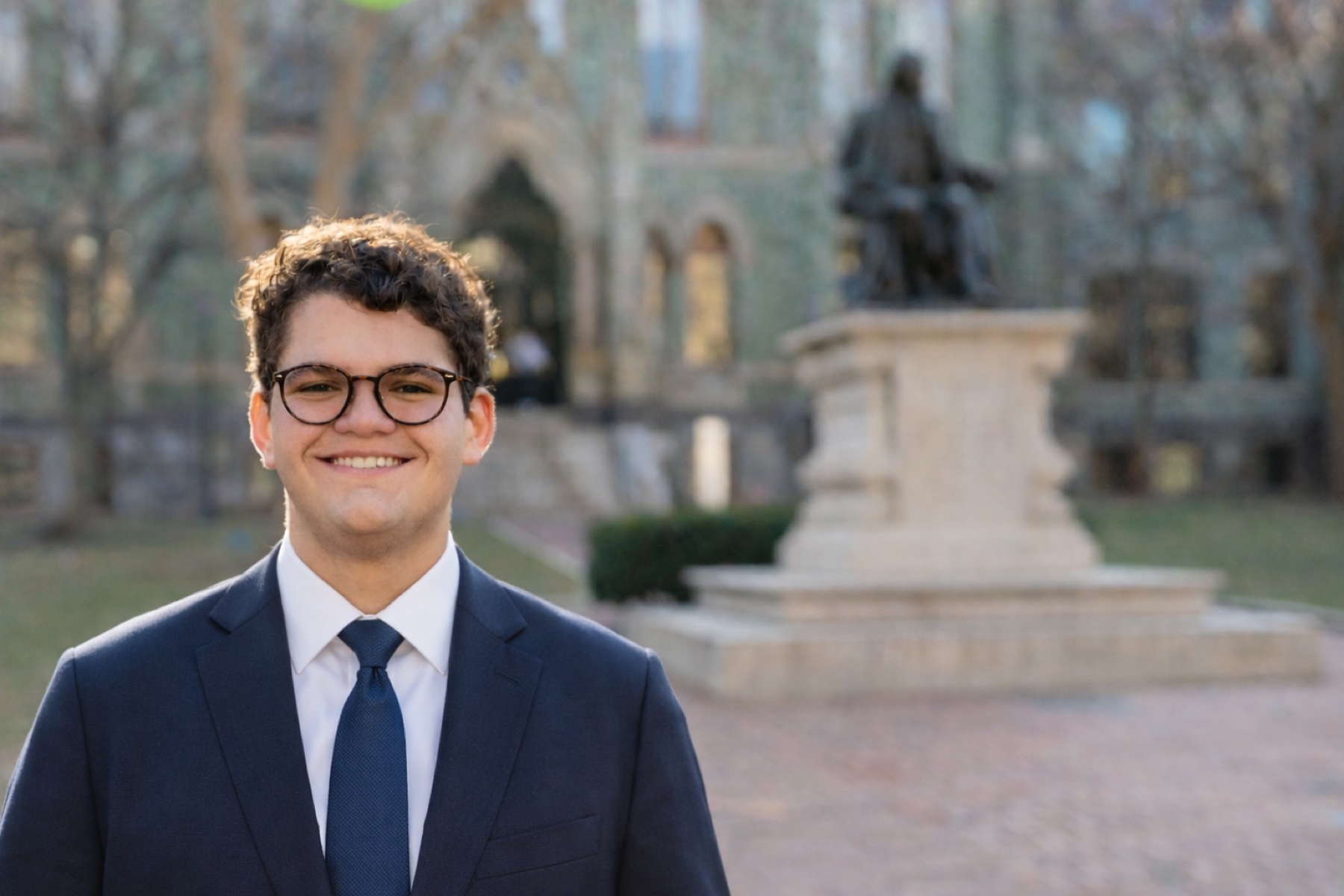
I’m Noah Royal Milad—a policy researcher and collaborative problem solver interested in how emerging technologies reshape power, security, and public institutions. I turn evidence and conversation into clear choices for complex decisions.
01Policy for the systems shaping what comes next.
Where I focus
I am drawn to the moment when technology becomes a governance and security problem—when leaders need more than description. They need choices, tradeoffs, and a path forward.
Governance beyond Earth, commercial systems as strategic infrastructure, and the international rules shaping access, legitimacy, and cooperation.
How public institutions govern fast-moving and dual-use technologies while preserving accountability, resilience, and public purpose.
Strategic competition, critical infrastructure, crisis decisions, and the coalitions needed to manage risk without losing sight of democratic values.
Who I am
From Cairo and Maryland’s Eastern Shore to Philadelphia and Washington, I have been drawn to people with different experiences and to the problems no single perspective can solve alone.
At Penn, I studied international relations and political science, developed a research agenda on the governance of outer space, and led organizations dedicated to student voice and belonging. Each experience taught me that the best analysis begins with thoughtful questions—and that trust is part of how good ideas become action.
I am at my best where research, strategy, and relationships meet: clarifying a messy question, hearing what matters to the people involved, connecting evidence across fields, and helping a group see a useful way forward.
Read my Penn profile
How I work
I approach problems like both a researcher and a collaborator: curious about the evidence, attentive to the people, and focused on what can actually be done next.
Listen & frame
Start with conversation. Map who is affected, what they need, where the friction sits, and how success should be defined.
Research & test
Compare cases, trace incentives, surface constraints, and test the easy answer before recommending it.
Connect & translate
Bring technical, political, and lived knowledge into the same conversation, then make the tradeoffs clear and actionable.
Recommend & move
Translate the work into practical options, an honest recommendation, and concrete next steps.
What I work on
Space governance is my deepest area of study—and the foundation for a broader interest in technology policy, strategic infrastructure, national security, and institutional design.
Space policy · Honors thesis
A comparative study of how legitimate authority can emerge in a domain where territorial sovereignty is prohibited—across China’s state-led model, the Outer Space Treaty, the Artemis Accords, and the International Space Station partnership.
Durable space governance will be hybrid: legally legitimate, operationally interdependent, and open to flexible participation.
Project overviewSpace policy · Funded research
Research supported by the Andrea Mitchell Center for the Study of Democracy, connecting institutional design in space to questions of legitimacy, democratic accountability, and cooperation.
The rules built now will shape whether new frontiers reinforce public purpose or deepen geopolitical rivalry.
Andrea Mitchell CenterTechnology policy · National security
A developing body of work on the resilience of commercial satellite systems, public-private responsibility during conflict, and the policy gap created by military dependence on private networks.
Security policy must clarify both industry obligations and the support government will provide when commercial systems become strategic infrastructure.
Discuss the workWhat I’ve done
I have built my early career around one principle: institutions matter most when people can see themselves in them.
2026 —
Incoming M.A. candidate, Democracy & Governance
Advancing a focus on democratic governance with interests spanning space policy, technology policy, and national security institutions.
2022 — 2026
B.A., International Relations & Political Science
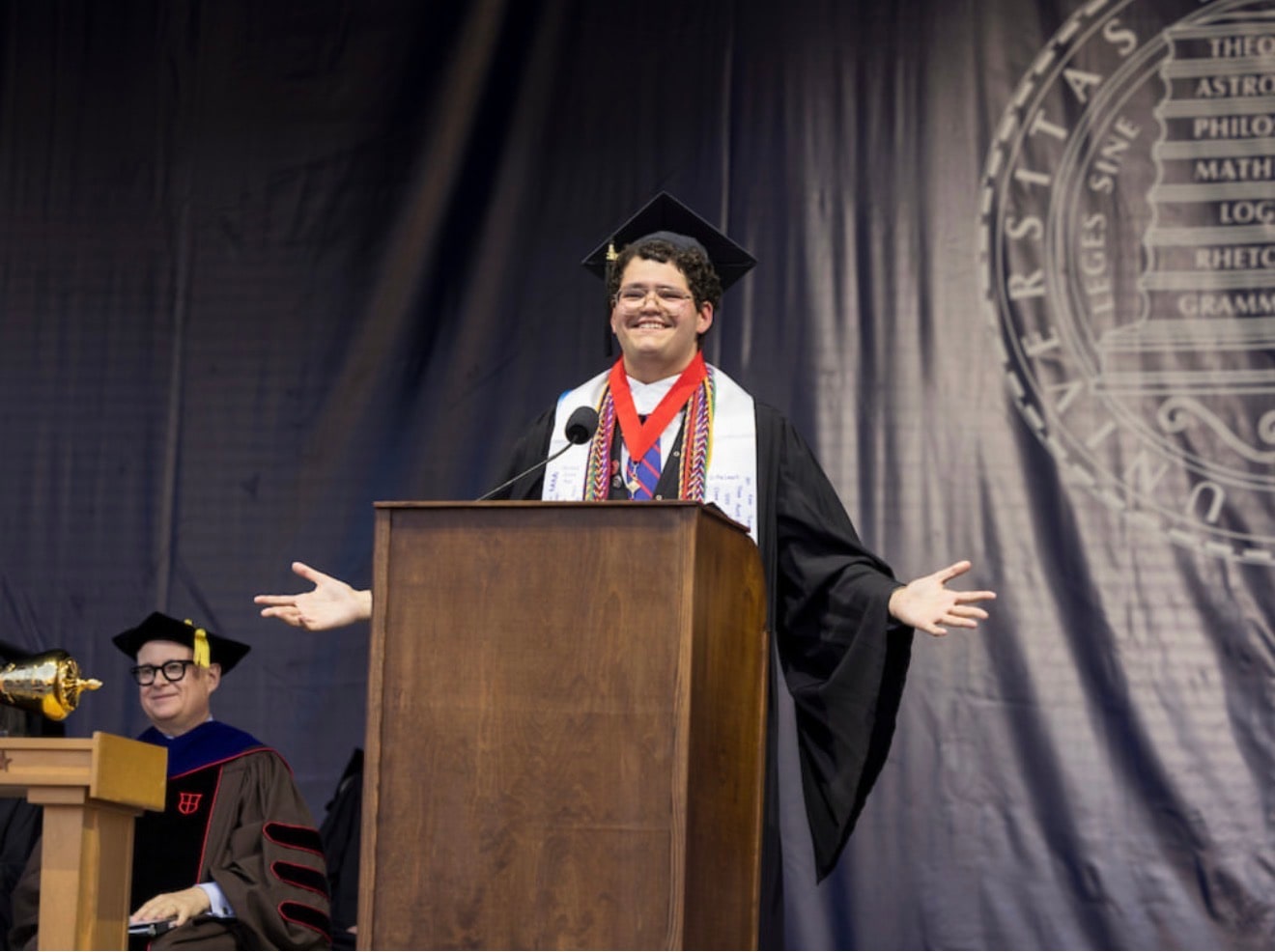
Minor in Modern Middle Eastern Studies. Graduation speaker for the College of Arts & Sciences Class of 2026.
Washington
Program Assistant
Supported a bridge between academic inquiry and the people, institutions, and policy debates shaping public life in the capital.
Research
Fellow in Urban Leadership
Explored policy, institutions, and urban development, with particular attention to the Middle East.
Selected recognition
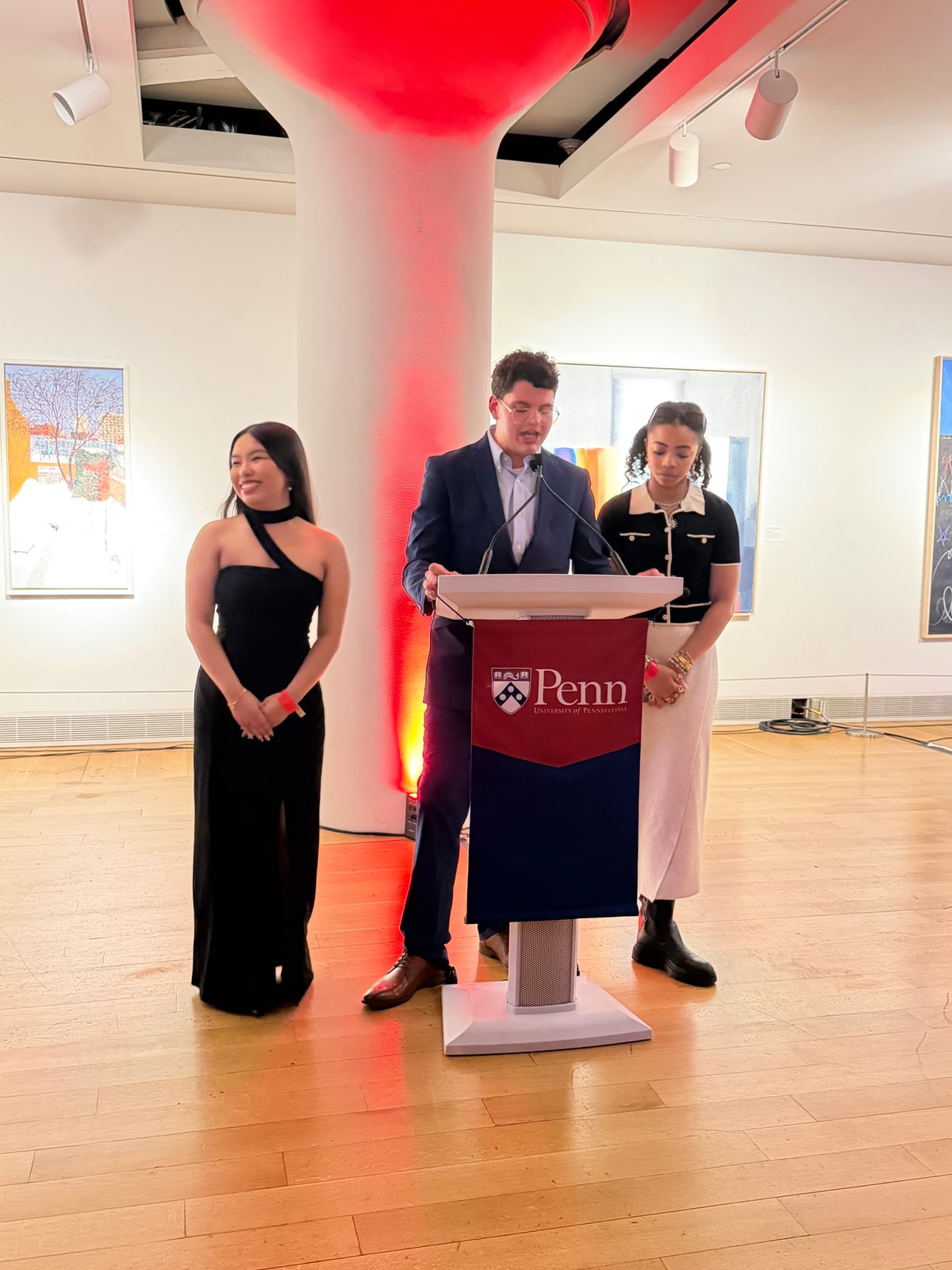
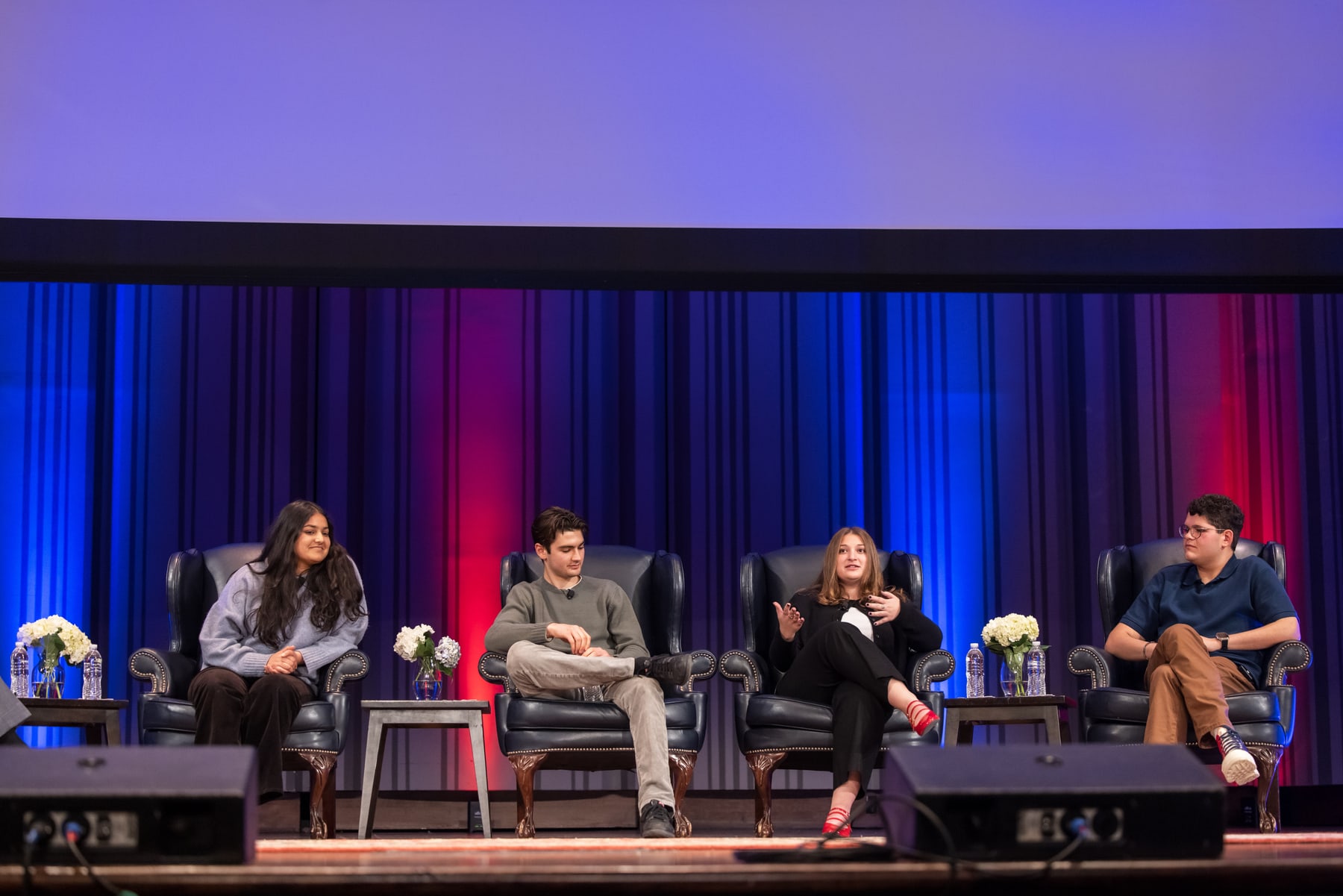
What I bring to the table
I want to contribute wherever a team needs someone who can understand a difficult issue, connect across perspectives, and help turn insight into a decision.
Define the real question, organize the evidence, and identify the actors, incentives, risks, and constraints that shape an answer.
Listen carefully, ask useful questions, and create the conditions for people with different expertise or interests to think together.
Translate complexity into choices, recommendations, and writing that decision-makers and communities can understand and use.

Let’s connect
I welcome conversations and collaborations around space governance, technology policy, national security, democratic institutions, and any difficult problem that needs careful research and a human approach.